Stargazing and night-sky tips from the ranch
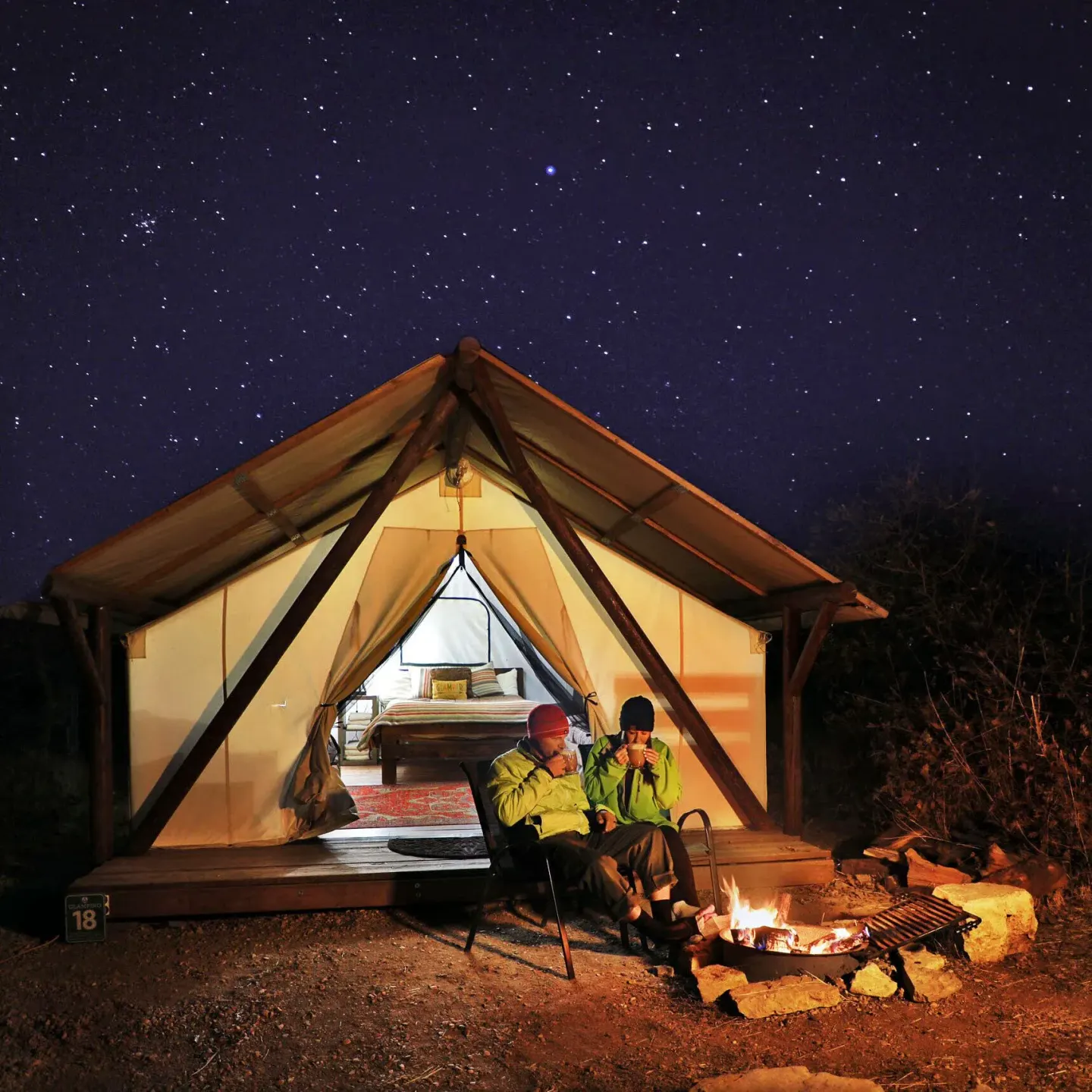
Zion Ponderosa Ranch Resort sits on roughly 4,000 private acres near Zion National Park’s East Entrance, which makes it a very good base for stargazing away from the busiest canyon lights. For the darkest views stay on the ranch after the pool and lodge close, pick a high, open spot (or a glamping tent porch), and plan observations for late evening through the middle of the night on clear nights.
In this guide
Best on-property places to watch the night sky
Because the resort covers several thousand acres and sits at about 6,500 feet elevation, open areas on the ranch give wide views of the sky with less horizon-level light than the main canyon. Clear Creek Overlook and open fields near the glamping area are commonly used by guests for night viewing.
Avoid areas immediately adjacent to the main lodge and pool once lights are on; instead move toward the more open western and southern-facing fields for longer, darker views.
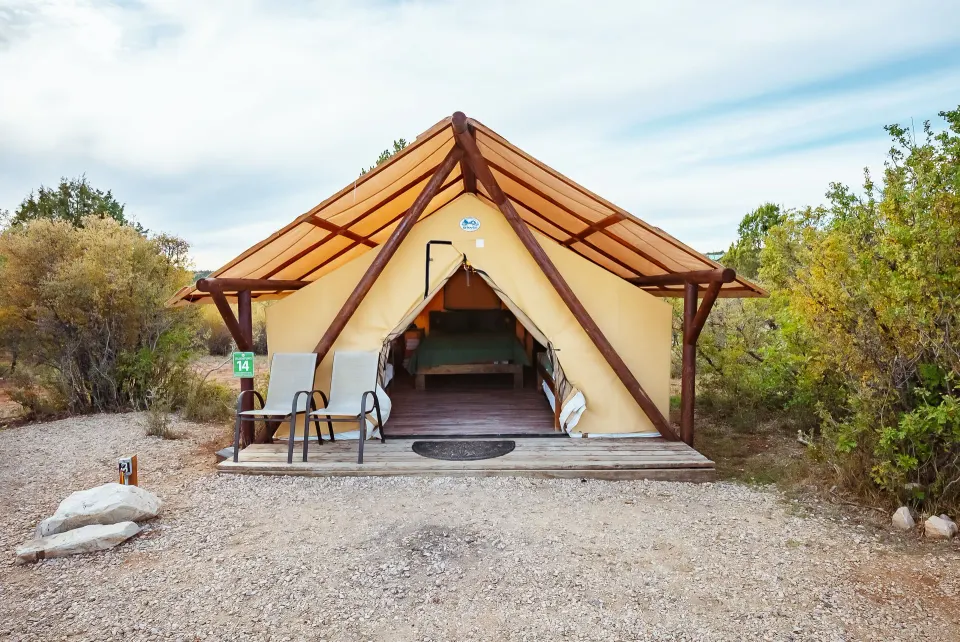
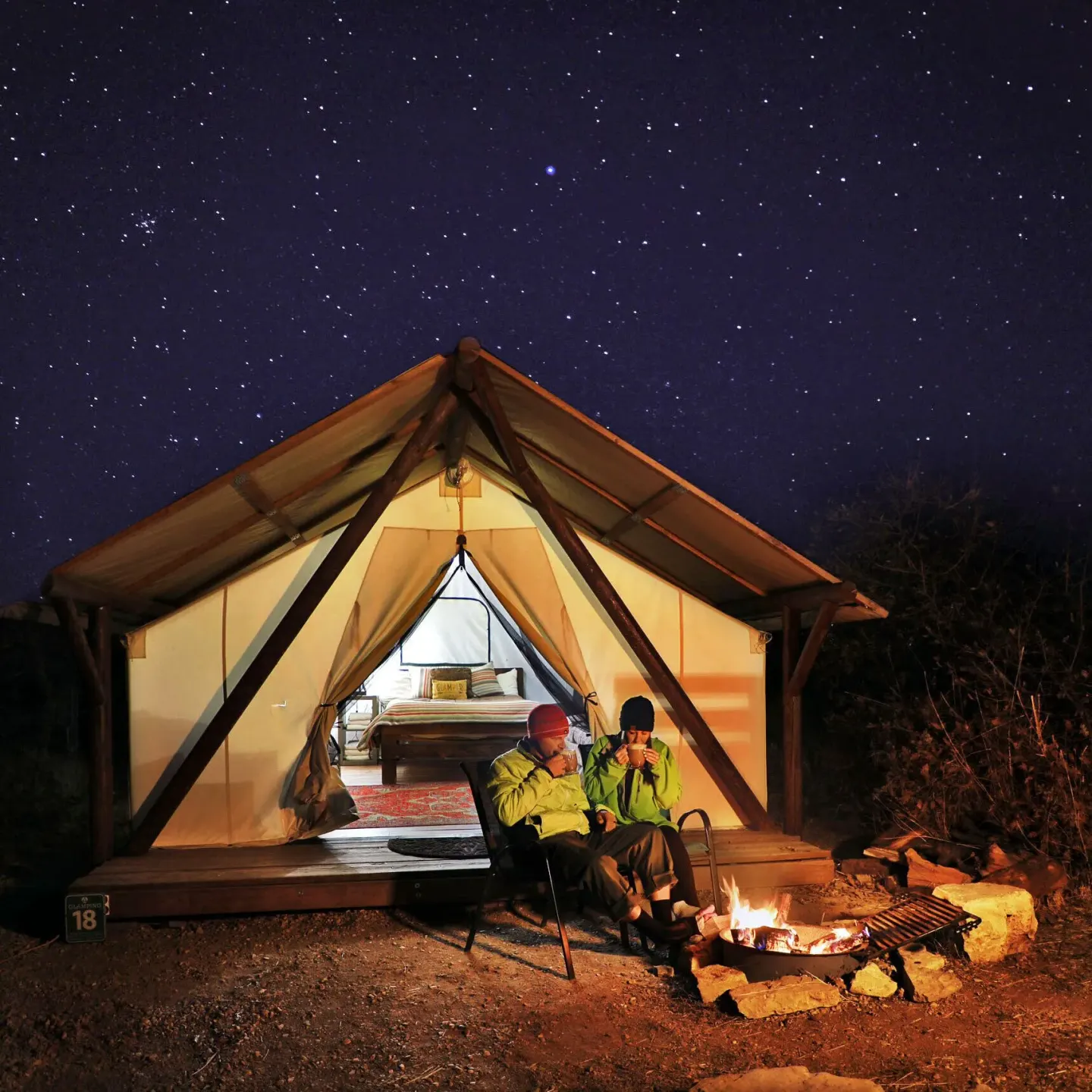
- Glamping tent porches and nearby fire-pit areas — convenient and close to lodging (photo 16).
- Open meadow or pond area — wide sky and reflections if the pond is calm.
- Clear Creek Overlook and other high points on the property — better horizon views.
| Spot on Property | Why it’s good |
|---|---|
| Glamping tent porch (Glamping Tents) | Low local light, comfortable seating, quick access to lodging |
| Open meadow / pond area | Wide sky, potential reflections, good for groups |
| Clear Creek Overlook | Higher elevation, longer horizon views |
When to go — seasons and timing
The best overall months for pleasant nights at this elevation are spring and fall (March–May and September–November), when temperatures are milder and the sky often clearer than summer monsoon season.
Peak dark-sky hours are after local sunset into the late evening and middle of the night. On moonlit nights you’ll see fewer stars; for the best faint-object viewing pick nights around new moon or the week before/after it.
- Spring and fall: comfortable evenings and many clear nights.
- Summer: warmer nights but summer can bring monsoon storms and more clouds.
- Winter: cold nights and possible snow — can be very dark but require cold-weather gear.
| Season | Pros | Cons |
|---|---|---|
| Spring (Mar–May) | Milder nights, good visibility | Snow early in spring possible |
| Summer (Jun–Aug) | Warm evenings | Monsoon storms and clouds possible |
| Fall (Sep–Nov) | Cool nights, often clear | Colder after October |
What to bring and how to dress
Bring layers: nights at about 6,500 ft can get chilly even in summer. A warm jacket, hat, and closed shoes are recommended. If you plan to stay after midnight, expect temperatures to drop.
Bring a red-light headlamp or flashlight (use red to preserve night vision), binoculars or a telescope if you have them, a star chart or app, and water or a thermos. Keep all trash with you and follow resort rules about fire pits and smoking.
- Warm layers and closed shoes
- Red-light headlamp or red filter for a flashlight
- Binoculars or small telescope, star chart or stargazing app
- Water, snacks, and a blanket or camping chair
| Item | Why |
|---|---|
| Red-light headlamp | Preserves night vision for better star seeing |
| Binoculars | Great for scanning star fields and bright deep-sky objects |
| Warm layers | Temperatures drop after sunset at 6,500 ft elevation |
Practical observing tips
Give your eyes 20–30 minutes to adapt to the dark; avoid white lights and bright phone screens or use a red filter. Let the sky ‘open up’ — once adapted you’ll notice many more stars and the Milky Way if conditions allow.
Use binoculars first to learn where star patterns and bright objects are, then move to a small telescope for planets and fainter deep-sky targets. If you use a stargazing app, enter location and time for accurate star maps.
- Allow at least 20 minutes for dark adaptation
- Start with binoculars, then try a telescope
- Use apps or printed charts pre-set to your time and location
- Check moon phase — bright moonlight reduces faint-object visibility
| Target | Good tool |
|---|---|
| Milky Way | Unaided eye, binoculars for more detail |
| Planets (e.g., Jupiter, Saturn) | Binoculars or small telescope |
| Star clusters and nebulae | Binoculars or telescope under dark skies |
Where to stay on the ranch for easy night access
Glamping Tents are a convenient choice for late-night viewing because each tent has a porch and nearby fire-pit areas that put you close to dark-sky spots without a long walk (photo 16/53).
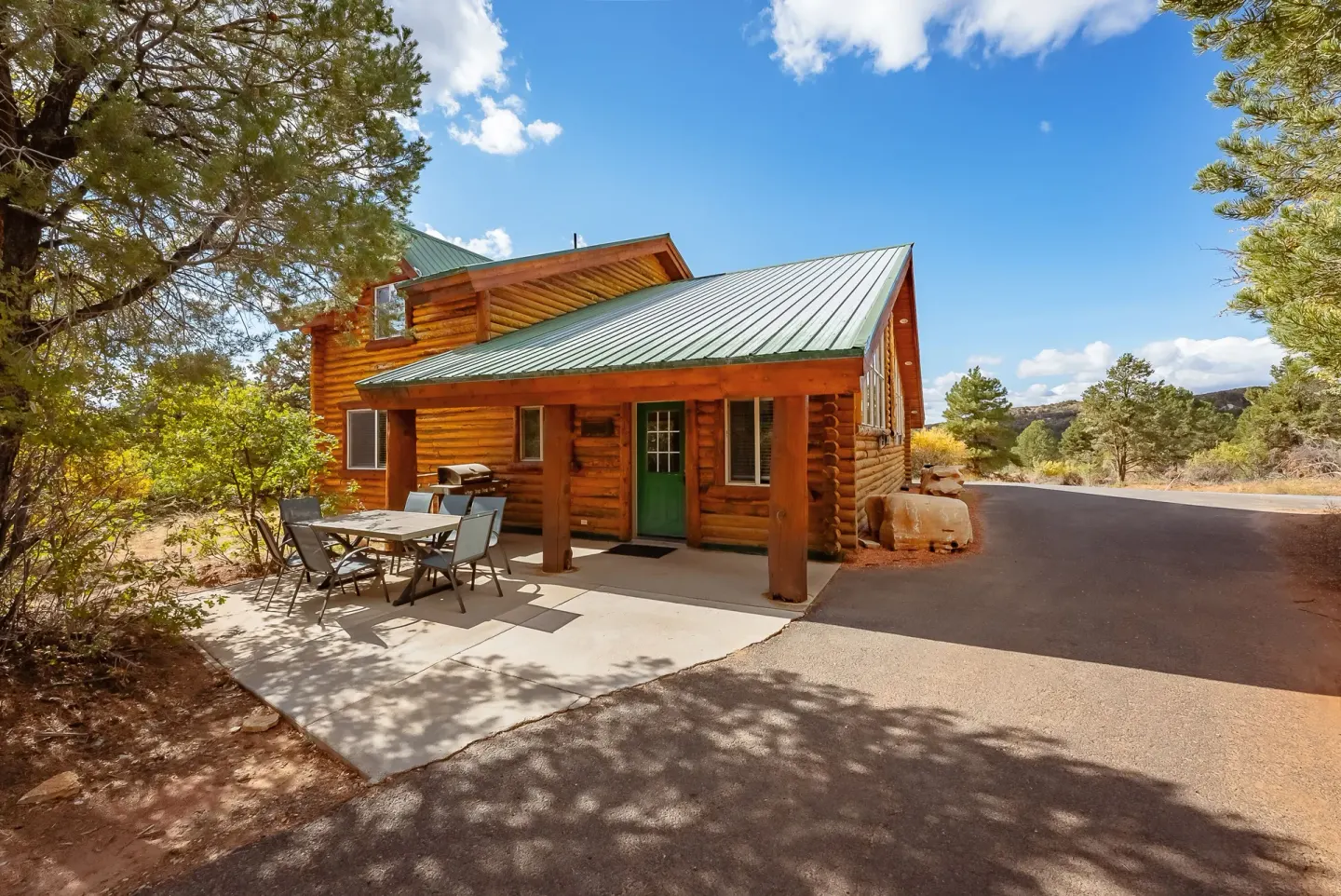
If you prefer a room with horizon views and more indoor comfort, consider any unit that lists patio or deck access so you can step outside after dark — the Overlook Room and many cabins offer porches or patios; check the specific unit description when you book.
- Glamping Tents — porch access makes short trips outside easy (photo 16).
- Overlook Room — living areas with large windows and patio access are useful for stepping out to view the sky (photo 61).
- Cabin or Deluxe Cabin units with private decks work well for small-group observing.
| Room type | Stargazing convenience |
|---|---|
| Glamping Tents | Porch & nearby fire-pit; short walk to open fields |
| Overlook Room | Patio/large windows; easy step-out access |
| Deluxe Cabin / cabins | Private decks and quieter, darker surroundings |
Safety and resort rules to keep in mind
Follow posted resort rules about fires, pool and lodge hours, and quiet hours. The resort’s front desk and concierge can confirm whether specific outdoor areas are open after dark and whether fire-pit use is permitted where you plan to stargaze.
Pets are not allowed inside lodging units, and campground-only areas permit leashed dogs; service animals are allowed per the resort policy. Also carry a map or GPS — the ranch is large, and it’s easy to lose bearings after dark.
- Confirm fire-pit use with resort staff before lighting any fire
- Bring a charged phone and let someone know where you will be on the ranch
- Watch footing after dark — trails, uneven ground, and wildlife can be hazards
| Rule | Reason |
|---|---|
| Check fire-pit permissions | Safety and local fire regulations |
| Observe quiet hours | Respect other guests and wildlife |
| Keep pets out of rooms | Property policy — unauthorized pets can incur fines |